

Our Science
Rebalancing the Immune System.
Restoring Health.
Repairon Immuno is developing universal engineered cell therapies designed to address immune dysfunction at its root cause. We focus on restoring immune balance — not broadly suppressing immune activity.
The Medical Need
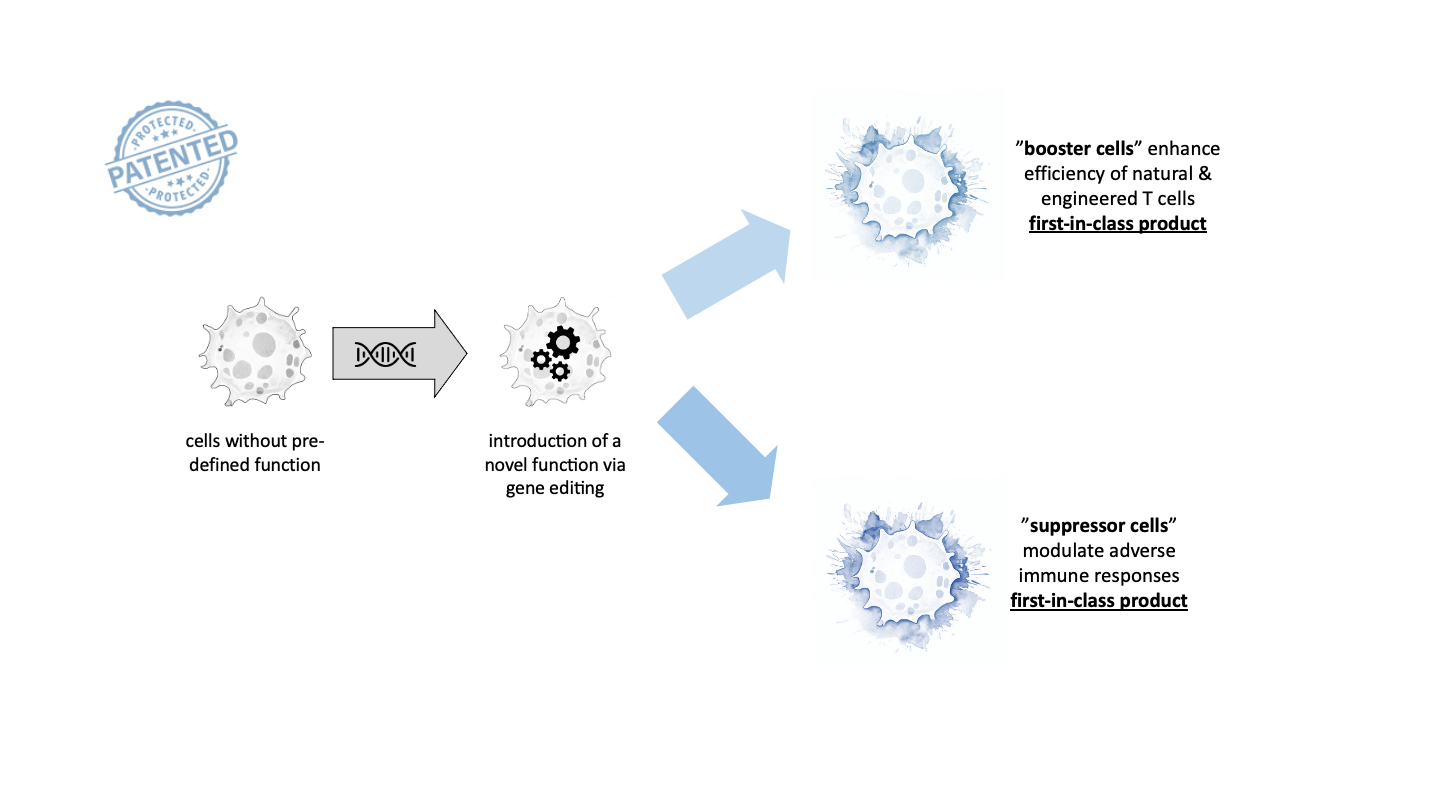
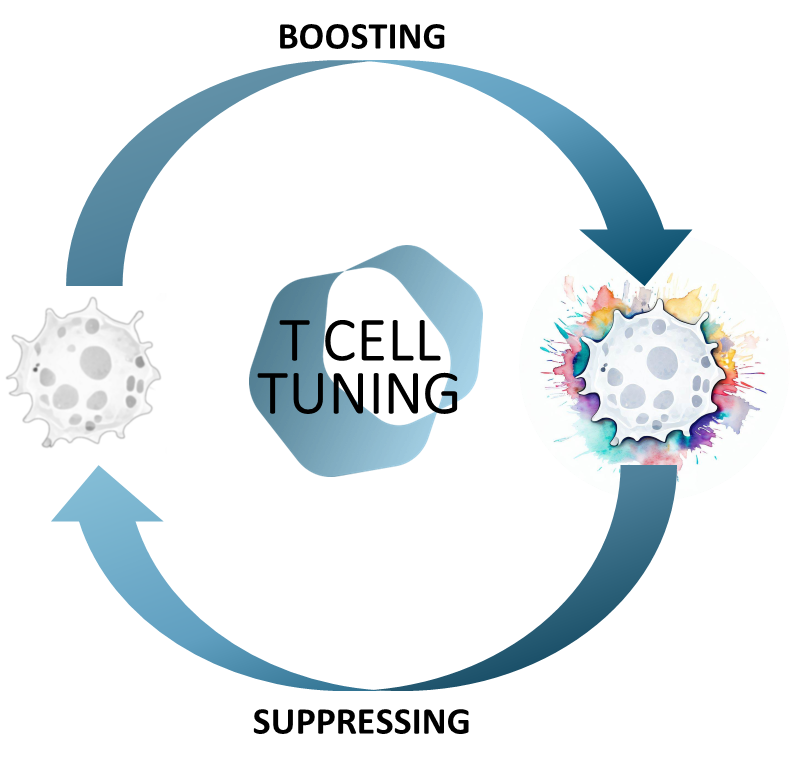
Human immune system is most important line of defense against pathogens. However, dysregulation of immune cells, such as T and B cells, leads to severe diseases like autoimmune disorders and malignancies. At Repairon Immuno we aim tuning uncontrolled cell functions. Our novel cellular medicines can either boost or suppress T cells to restore the balance of immune system.
Boosting:
Many times natural T cells are unable to fight against advanced tumors. Novel therapies enable arming these cells with additional receptors (CAR) to improve immune response, but so far it has been only successful for hematological malignancies and even then, their efficiency is limited. Therefore, we offer an additional boost for either natural or engineered cells to improve their effectiveness.
Suppressing:
Autoimmune diseases and transplant rejection are currently treated with long-term immunosuppressive therapies. While effective, these treatments: suppress the entire immune system, increase infection and malignancy risk, require lifelong administration and cause significant side effects. Natural regulatory T cells (Tregs) have shown strong therapeutic potential in preclinical and early clinical studies for autoimmune diseases, Graft-versus-host disease (GvHD) and solid organ transplantation. However, current Treg therapies are patient-specific, complex to manufacture, costly, and difficult to scale. Repairon Immuno addresses these limitations through an iPSC-based platform designed to generate homogeneous, genetically defined, and scalable regulatory cell products.
Why iPSCs?
Induced pluripotent stem cells provide:
An unlimited, renewable cell source
Precise genetic engineering before differentiation
High product homogeneity
Scalability for GMP manufacturing
Off-the-shelf therapeutic potential
Our proprietary iPSC platform already enables robust differentiation into all types of immune cell types.
Our Approach
Suppressing
Autoimmune diseases arise when immune tolerance breaks down. Traditional treatments manage symptoms by broadly suppressing immune activity. We engineer universal, off-the-shelf immune cells designed to:
Target and remove pathogenic immune populations
Rebuild immune tolerance
Restore long-term immune homeostasis
Reduce reliance on chronic immunosuppression
Our therapies aim to reset — not silence — the immune system.
Boosting
Repairon Immuno is advancing an iPSC-based immune engineering platform designed to enhance and direct antigen-specific immune responses. By genetically programming induced pluripotent stem cells (iPSCs) to express defined antigenic signals and immunomodulatory cues, we create standardized cellular boosters capable of amplifying targeted immune activation.
These engineered cells are designed to function as controlled antigen-presenting platforms that expand and support antigen-specific T cell populations, including chimeric antigen receptor (CAR) T cells. This approach has broad applications across adoptive CAR therapies, where it can improve persistence, expansion, and functional potency.
Importantly, the platform is particularly suited for next-generation in vivo CAR strategies. By providing a programmable antigen-specific stimulus within the patient, engineered iPSC-derived boosters may enable more precise activation, tuning, and sustainment of CAR responses without reliance on extensive ex vivo manipulation. It may also help reducing initial dosing, thus related toxicity, by providing targeted expansion signals early on.
Through scalable manufacturing and modular design, Repairon Immuno aims to integrate iPSC engineering with advanced CAR technologies to unlock more controllable, durable, and accessible cellular immunotherapies.
Our Technology
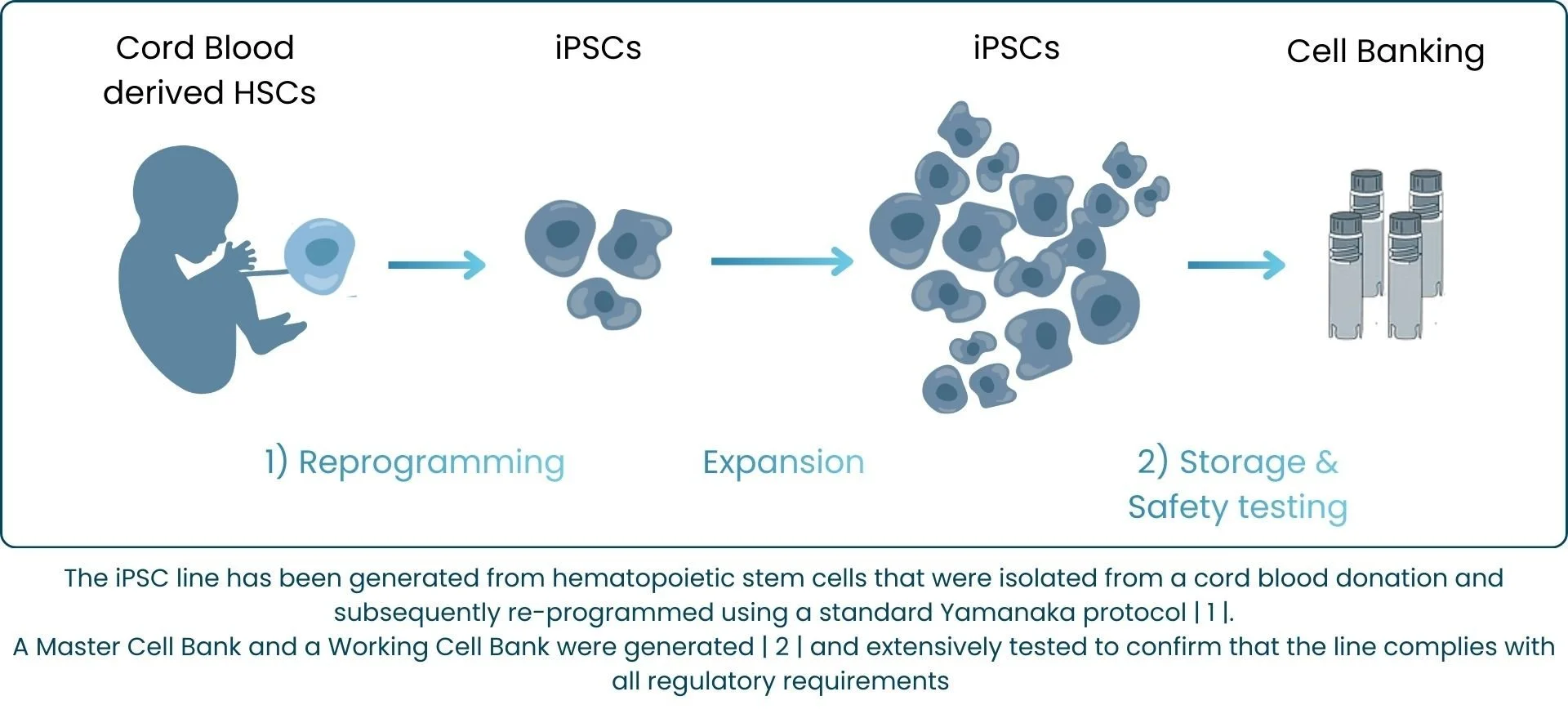
Our platform combines advanced gene engineering with deep immunological insight to create precisely controlled cellular medicines.
Key features include:
Multiplex genetic engineering
Enhanced functional stability
Resistance to host rejection
Built-in safety mechanisms
Scalable manufacturing potential
This modular approach enables the development of therapies across multiple autoimmune indications.